
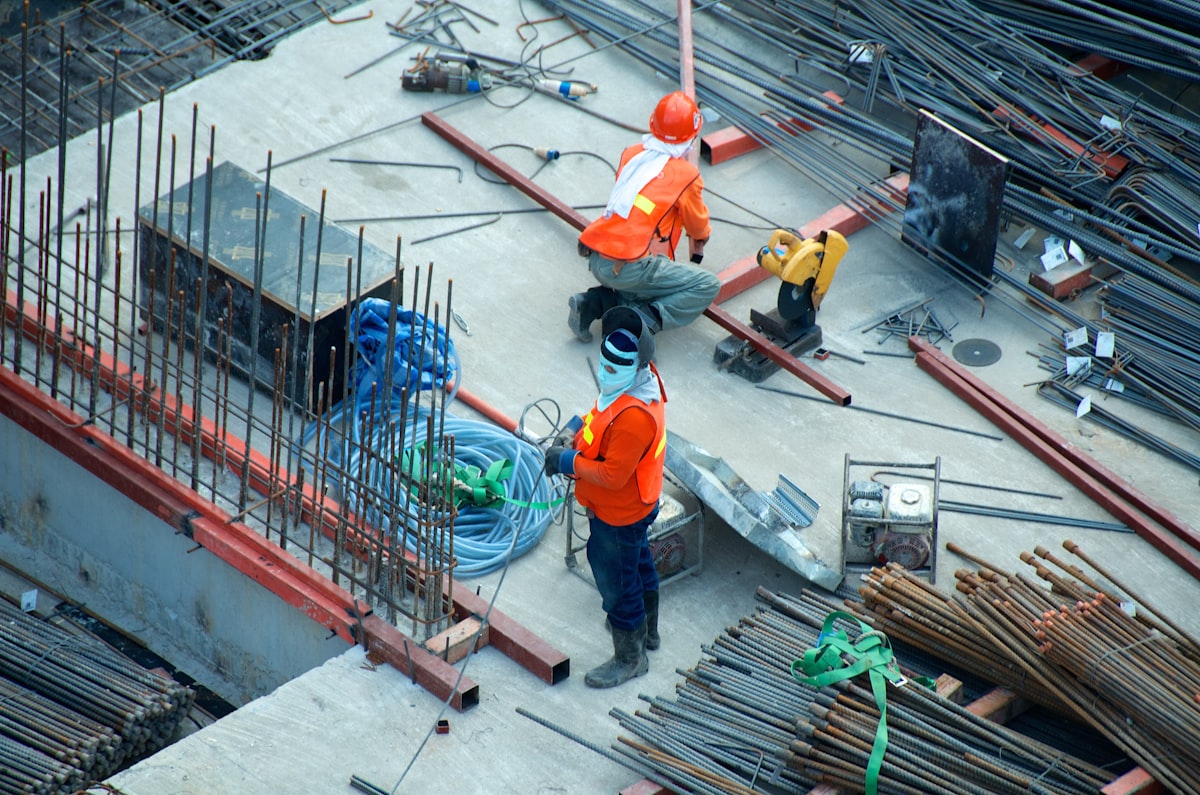
Australia’s Construction Skills Shortage Is Reaching a Critical Point
If you’re running a construction business in Queensland or anywhere across Australia, you’ve already felt it — the growing difficulty of finding skilled, reliable workers to keep your projects moving. What many in the industry are now warning is that things are set to get worse before they get better. The construction skills shortage in Australia is projected to reach a critical peak around 2026, and builders who aren’t planning ahead risk serious delays, cost blowouts, and lost contracts.
This post breaks down what’s driving the shortage, which trades are hardest hit, and the practical strategies Australian construction businesses can use right now to stay competitive and fully staffed through what promises to be one of the most challenging labour markets the industry has ever faced.
What’s Driving the Construction Skills Shortage in 2026?
The skills shortage isn’t the result of any single factor — it’s a perfect storm of demographic shifts, infrastructure investment, and pipeline pressures that have been building for years.
An Ageing Workforce Leaving the Industry
A significant portion of Australia’s skilled construction workforce is made up of tradespeople who entered the industry in the 1980s and 1990s. As these workers reach retirement age, they’re taking decades of on-site experience with them. The pipeline of apprentices coming through simply hasn’t kept pace with the rate of attrition, leaving a growing skills gap that’s difficult to plug quickly.
Record Infrastructure and Housing Demand
Federal and state governments have committed to enormous infrastructure spending across roads, rail, hospitals, and schools. Simultaneously, Australia faces one of the worst housing shortages in its history, with ambitious new dwelling targets placing massive pressure on an already stretched construction sector. Queensland alone is dealing with population growth and post-Olympics infrastructure planning that is creating demand for skilled workers at every level of the supply chain.
A Slow Apprenticeship Pipeline
Training a qualified tradesperson takes years. Even if apprenticeship numbers increased dramatically today, the industry wouldn’t see the full benefit until well into the late 2020s. The lag between identifying the problem and producing qualified workers means the 2026 crunch is essentially already locked in for most trades.
Competition from Other Sectors
Mining, energy transition projects, and defence infrastructure are all competing for the same pool of skilled workers. Electricians, boilermakers, civil workers, and labourers are being pulled in multiple directions, and construction businesses are finding themselves outbid or outpaced by sectors with deeper pockets or more attractive conditions.
Which Trades and Roles Are Most Affected?
While almost every corner of the construction industry is feeling some degree of pressure, certain trades and roles are experiencing acute shortages that are already disrupting project timelines across Australia.
- Carpenters and Joiners: Among the most in-demand roles in residential and commercial construction, with shortages felt particularly acutely in Queensland’s growth corridors.
- Concreters and Formworkers: Civil and commercial projects are reporting significant difficulty sourcing experienced concreters, slowing down foundations and structural phases.
- Electricians: The dual demand from construction and renewable energy projects has pushed electrician availability to critical lows in many regions.
- Plumbers: Residential housing targets are driving unprecedented demand for licensed plumbers, with lead times for subcontractors stretching significantly.
- General Labourers: Even at the labourer level, finding reliable, safety-conscious workers with white cards and relevant site experience is increasingly difficult for many builders.
- Steel Fixers and Reinforcers: Large-scale civil and commercial projects are reporting this as one of the hardest roles to fill consistently.
The Real Cost of the Skills Shortage for Construction Businesses
The impact of the construction skills shortage goes well beyond the frustration of a hard-to-fill position. For Australian builders and construction companies, an understaffed workforce creates a cascade of commercial and operational problems.
Project Delays and Penalty Clauses
When you can’t get the right workers on site at the right time, timelines slip. In a contract environment where liquidated damages and penalty clauses are standard, those delays translate directly into financial losses that can quickly erode your project margins.
Quality and Safety Risks
When businesses are desperate for workers, there’s a tendency to accept whoever is available rather than who is genuinely qualified. This increases the risk of workmanship issues, rework costs, and — most critically — workplace incidents. A serious safety event doesn’t just harm workers; it can shut down a site, attract regulatory scrutiny, and permanently damage your company’s reputation.
Wage Pressure and Bidding Wars
As supply tightens, workers have more leverage. Direct hire rates are climbing, and many businesses are finding themselves locked in bidding wars for experienced tradespeople. This is pushing up project costs at exactly the time when clients and developers are under their own financial pressures.
Practical Strategies to Navigate the 2026 Skills Crunch
The good news is that construction businesses who plan proactively can maintain their workforce strength even through a difficult labour market. Here are the strategies that Australian builders are using to stay ahead.
Build Relationships with a Quality Labour Hire Partner
One of the most effective buffers against workforce shortages is having a trusted labour hire partner you can call on when your direct team can’t cover a project phase or a sudden surge in workload. Labour hire gives you access to pre-screened, experienced workers without the overhead and commitment of direct employment — which is particularly valuable when project volumes fluctuate.
Oakshire Labour Hire works with construction businesses across Queensland to provide skilled and reliable workers across a wide range of trades and labourer roles. With a thorough vetting process and a focus on safety compliance, Oakshire ensures that the workers placed on your site are genuinely job-ready from day one.
Lock In Workers Before the Peak
Many construction businesses wait until they have a staffing gap to start thinking about solutions — by which point the options are limited and the costs are higher. Building a relationship with a labour hire provider now, before the 2026 peak bites harder, gives you a significant advantage. You’ll be a known client with established needs rather than a cold call during the busiest period the industry has seen in decades.
Invest in Retaining Your Best Workers
Retention is just as important as recruitment. Review your conditions, flexibility, and culture honestly. Workers who feel valued and well-managed are far less likely to be poached by competitors or leave for other sectors. Small investments in workplace culture, clear career pathways, and genuine recognition can significantly reduce your turnover costs.
Consider Workforce Planning as a Business Function
Many small to mid-sized construction businesses treat staffing as a reactive process. As the market tightens, those who build workforce planning into their project scheduling and business strategy will have a material competitive advantage. Know your upcoming labour requirements by project phase, by trade, and by region — and have a plan for each.
Use Labour Hire Strategically, Not Just as a Last Resort
Labour hire is often misunderstood as a panic button. In reality, smart construction businesses use it as a strategic tool — to manage seasonal peaks, to staff up for a large project without committing to headcount that won’t be needed long term, or to access specialist skills for a specific phase of work. Oakshire Labour Hire can help Queensland builders think through how to use flexible labour strategically rather than reactively.
What the Government Is Doing — and Why It Won’t Solve the Problem Alone
Both federal and state governments have acknowledged the construction skills shortage and are responding with increased funding for apprenticeships, migration pathway adjustments, and TAFE investment. These are welcome measures, but they won’t resolve the immediate pressure businesses are facing between now and 2026 and beyond.
The skilled migration pathway has also been expanded, with construction trades remaining on priority occupation lists. However, processing times, credential recognition, and settlement challenges mean that international recruitment is not a quick fix for a builder who needs workers on site next month.
Ultimately, government initiatives will help rebalance the market over the medium to long term — but for businesses operating right now, the gap needs to be filled through smart planning, strong industry relationships, and flexible workforce solutions.
Don’t Wait Until Your Project Is at Risk
The construction skills shortage in Australia is not a future problem — it’s a present reality that is set to intensify through 2026. Queensland builders and construction businesses that act now to diversify their workforce strategy, build relationships with reliable labour hire partners, and invest in retention will be in a far stronger position than those who wait.
Whether you’re managing a residential development, a commercial build, or a civil infrastructure project, having access to the right people at the right time is the single most important factor in project success. Don’t leave that to chance in one of the toughest labour markets the Australian construction industry has ever seen.
Ready to build a more resilient workforce for 2026 and beyond? Get in touch with the team at Oakshire Labour Hire today to discuss your upcoming projects and staffing needs. Visit oakshirelabourhire.com/contact to start the conversation — before the crunch hits harder.