
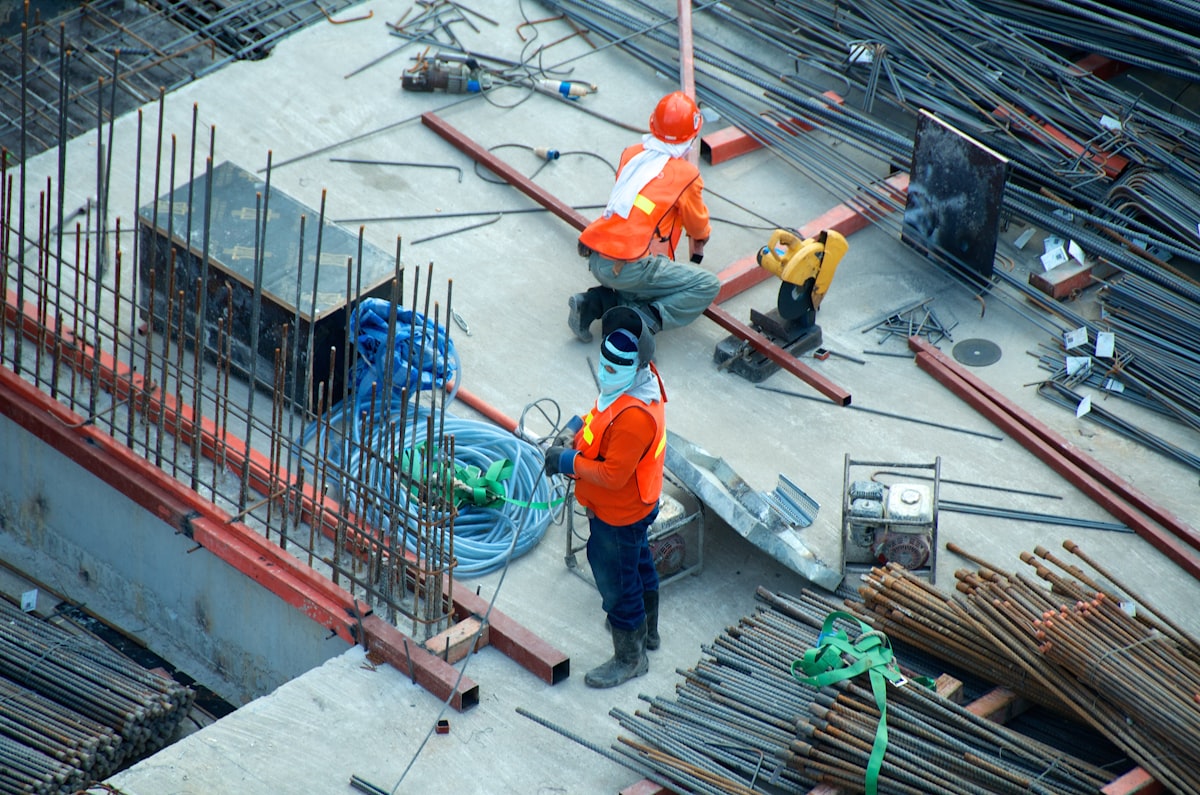
Australia’s Construction Skills Shortage Is Reaching a Critical Point in 2026
If you’re a builder or construction business owner in Queensland, you already know the feeling. You’ve won the tender, the project timeline is locked in, and then the search for qualified tradespeople begins — and it doesn’t go well. You’re not alone, and the situation isn’t improving on its own. Australia’s construction industry is facing one of its most significant skills shortages in decades, and 2026 is shaping up to be a defining year for how businesses respond.
Understanding what’s driving the shortage, which trades are hardest hit, and what practical steps you can take right now is the difference between delivering projects on time and watching your margins disappear while you wait for workers who never show up.
What’s Driving the Construction Skills Shortage in 2026?
The current crisis didn’t happen overnight. It’s the result of several converging pressures that have been building for years, now hitting simultaneously.
An Ageing Workforce Leaving the Industry
A significant proportion of Australia’s experienced tradespeople are aged 55 and over. As these workers retire, they’re taking decades of specialised knowledge with them. The pipeline of younger workers entering apprenticeships and completing their qualifications has not kept pace with this outflow. The result is a growing gap between the workers available and the workers needed on site.
Record Infrastructure and Housing Demand
Federal and state governments across Australia have committed to ambitious infrastructure programmes — roads, rail, hospitals, schools, and social housing. At the same time, Australia’s housing targets remain far above what the industry is currently able to deliver. Queensland alone has seen sustained population growth, particularly in South East Queensland, driven by interstate migration and continued investment in the region ahead of the 2032 Brisbane Olympics. This demand is putting enormous pressure on an already stretched labour market.
Post-Pandemic Training Disruptions
The COVID-19 pandemic disrupted apprenticeship completions, TAFE enrolments, and on-site training programmes for several years. The cohort of workers who should have qualified between 2020 and 2023 is smaller than it would otherwise have been. In 2026, we’re feeling the downstream effects of those disruptions directly on job sites across the country.
Visa and Immigration Processing Delays
While skilled migration remains part of Australia’s workforce strategy, visa processing times and occupation list changes have made it difficult for construction businesses to rely on overseas workers as a short-term solution. Many businesses have waited months for approvals, only to have projects delayed further.
Which Trades Are Most Affected?
While the skills shortage touches almost every area of construction, some trades are experiencing more acute pressure than others heading into 2026.
- Carpenters and Joiners: Consistently among the hardest roles to fill across residential and commercial construction in Queensland.
- Concreters: High demand driven by infrastructure projects and slab work on housing developments.
- Electricians: Shortages are severe, with demand amplified by the transition to renewable energy infrastructure.
- Plumbers and Drainers: Particularly scarce in regional Queensland where population growth is occurring outside major metro areas.
- Steel Fixers and Riggers: Demand driven by large-scale civil and commercial projects throughout South East Queensland.
- General Labourers: While not trade-qualified, experienced labourers with white cards and relevant site experience are increasingly difficult to source consistently.
The Real Cost of Skills Shortages for Construction Businesses
It’s tempting to think of the skills shortage purely as a hiring inconvenience. But the financial and operational consequences for construction businesses are far more significant than a delayed start date.
Project Delays and Liquidated Damages
When you can’t staff a project adequately, timelines slip. In fixed-price contracts, delays triggered by labour shortages don’t typically attract sympathy from clients or courts. Liquidated damages clauses can quickly erode or eliminate your profit margin on a job.
Overreliance on Overtime
When you can’t find enough workers, the workers you do have end up carrying more. Fatigue increases, safety risks rise, and worker retention deteriorates further. It becomes a cycle that’s difficult to break without bringing in additional labour.
Reputational Damage
In an industry where word of mouth and repeat business matter enormously, failing to deliver on schedule or to quality standards — even when labour shortages are the root cause — can affect your ability to win future work.
How Queensland Builders Are Responding
Businesses that are managing well through the current shortage aren’t waiting for the market to fix itself. They’re taking a proactive approach to workforce planning and sourcing.
Building Relationships with Labour Hire Providers
One of the most effective strategies for navigating the skills shortage is working with a specialist construction labour hire provider. Rather than scrambling to fill roles at the last minute through job boards, businesses that maintain an ongoing relationship with a trusted labour hire partner have access to a vetted pool of workers they can call on when demand spikes or unexpected gaps arise.
Oakshire Labour Hire works exclusively in the construction space across Queensland, supplying trade-qualified and experienced workers to builders, civil contractors, and subcontractors. Because the team understands the specific requirements of construction sites — from licensing and white card compliance through to the practical demands of different trade roles — the workers supplied are genuinely job-ready from day one.
Planning Labour Needs Further in Advance
Businesses that treat labour sourcing as a last-minute task consistently struggle more than those who build workforce planning into their project management process from the outset. If you know you have a frame-up starting in six weeks, that’s the time to confirm your carpentry crew — not the week before.
Diversifying Hiring Channels
Relying on a single source for workers — whether that’s one job board, one agency, or one network of contacts — creates vulnerability. Builders who are managing well typically use a mix of direct employment, subcontracting, and labour hire, depending on the nature of the work and the project duration.
What to Look for in a Construction Labour Hire Partner
Not all labour hire providers are equal, and in the construction industry, the wrong worker in the wrong role is worse than no worker at all. When evaluating a labour hire partner, Queensland builders should consider the following.
- Construction specialisation: General labour hire agencies rarely have the depth of construction knowledge to properly assess trade qualifications and site suitability. Look for a provider that works exclusively or primarily in construction.
- Compliance management: Workers must hold current white cards, relevant licences, and appropriate tickets. A quality provider manages this on your behalf.
- Local knowledge: A provider based in Queensland who understands the local labour market will have better networks and faster response times than a national provider operating remotely.
- Flexibility: Your labour needs change. Your provider should be able to scale up or down quickly based on your project requirements.
- Accountability: If a worker isn’t performing or isn’t the right fit, a good labour hire partner responds quickly and makes it right.
Oakshire Labour Hire is based in Queensland and services construction businesses across the state. Whether you need a single experienced labourer for a short-term gap or a crew of qualified tradespeople for a multi-month project, the team can mobilise quickly and ensure every worker meets your site requirements.
Looking Ahead: Will the Skills Shortage Ease?
The honest answer is that significant relief is not expected in the short term. Infrastructure Investment Australia and various state government workforce reports have consistently projected that demand for construction workers will outpace supply through at least 2028. The housing targets set under the National Housing Accord remain ambitious relative to current capacity, and Queensland’s Olympic infrastructure pipeline will sustain elevated demand through to 2032.
This doesn’t mean your business can’t operate profitably and deliver projects successfully. It does mean that workforce strategy needs to be treated as seriously as any other aspect of your business. Builders who adapt — who build strong labour supply relationships, plan ahead, and remain flexible in how they source workers — will be far better positioned than those who continue to approach hiring as an afterthought.
Secure Your Workforce Now — Don’t Wait Until You’re Short on Site
The construction skills shortage in Australia is not a temporary blip. It’s a structural challenge that requires a strategic response. For Queensland builders and contractors, the businesses that will continue to win work and deliver it profitably are the ones making smart decisions about labour now, before the pressure becomes a crisis.
If you’re looking for a reliable, Queensland-based construction labour hire partner who understands your industry and can help you keep projects on track, get in touch with the team at Oakshire Labour Hire today. Visit oakshirelabourhire.com/contact to discuss your upcoming projects and workforce requirements — the sooner you start the conversation, the more options you’ll have.